
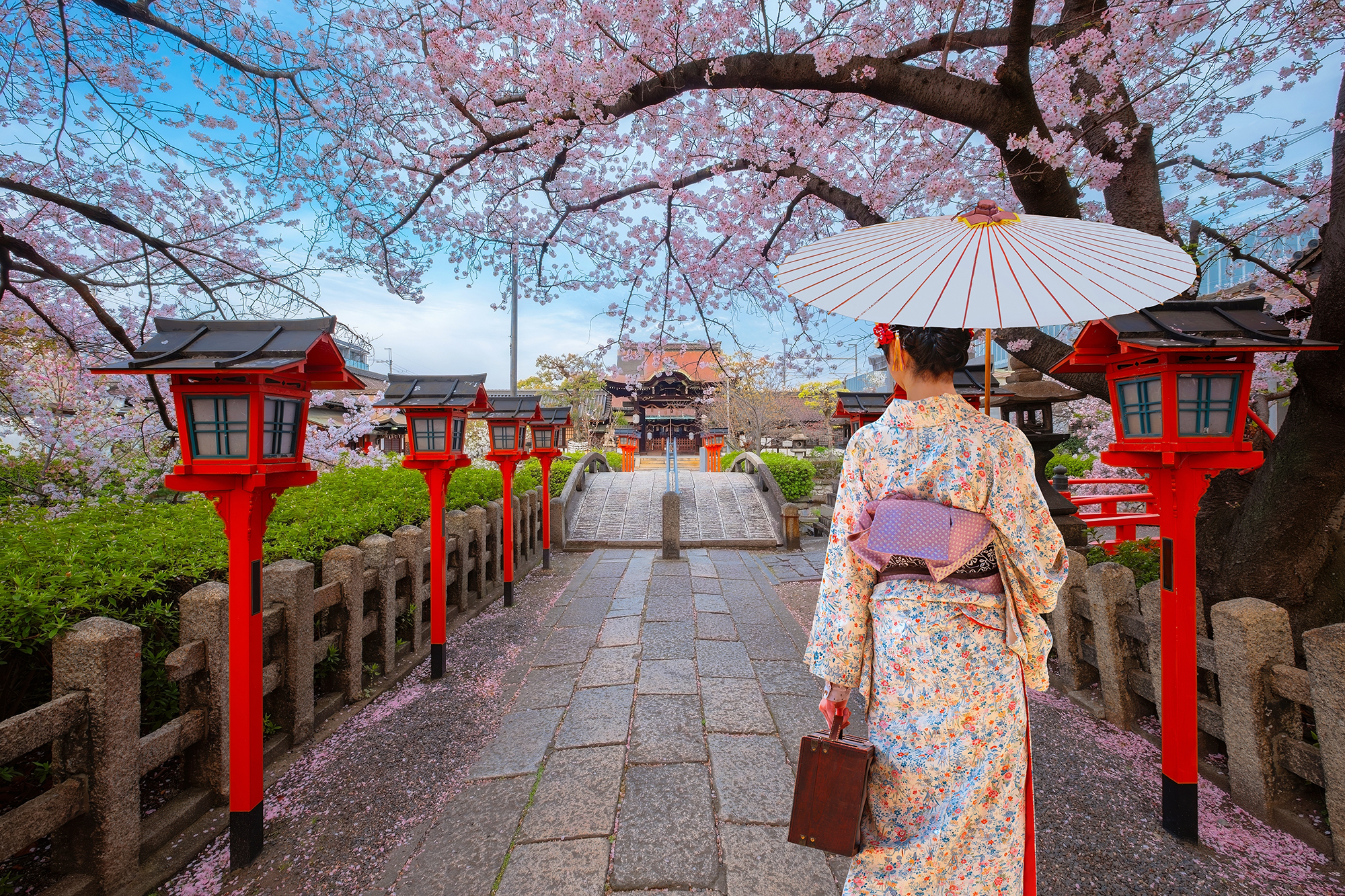
The ancient Japanese capital tops the global ranking of spiritual tourism. With more than a thousand temples and millions of online searches, it surpassed cities like Varanasi, the Vatican, and Mecca in almost every indicator of the report prepared by a private firm.
The analysis covered ten popular religious destinations and was based on five criteria: annual visitor numbers, number of religious sites, online search volume, social media hashtag usage, and accommodation availability.
According to the study, Kyoto receives 75 million visitors per year who visit its 1,000 Buddhist temples . Furthermore, the city appeared in 1.2 million online searches and 23 million hashtags.
Varanasi , a city in northern India on the banks of the Ganges River , ranks second among religious tourist destinations, according to the study. It is one of the seven sacred cities of Hinduism.
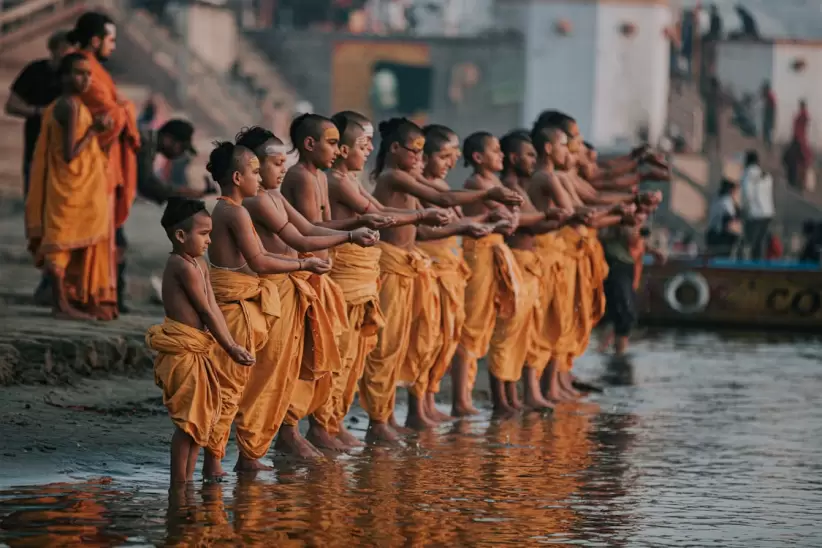
«While Kyoto leads in visitor numbers, Varanasi dominates in online search volume with nearly 2.8 million ,» says the MyCross report . «The city offers 1,149 accommodations , almost double that of Kyoto, despite receiving far fewer visitors: 11 million per year,» it adds.
Third place goes to the Vatican , home to the Pope and St. Peter ‘s Basilica . Although it only has nine religious sites, it offers 3,859 accommodations , the highest number of all the destinations analyzed. It also registered more than 2.3 million online searches.
In fourth place is Rio de Janeiro , chosen for its religious significance. The Brazilian city is known for the statue of Christ the Redeemer atop Corcovado Mountain , as well as its historic churches and other religious sites.
Lhasa , Tibet , ranks fifth. It has the second-largest number of annual visitors, with 55.1 million . Although its tourist infrastructure is limited, it remains the spiritual center of Tibetan Buddhism.
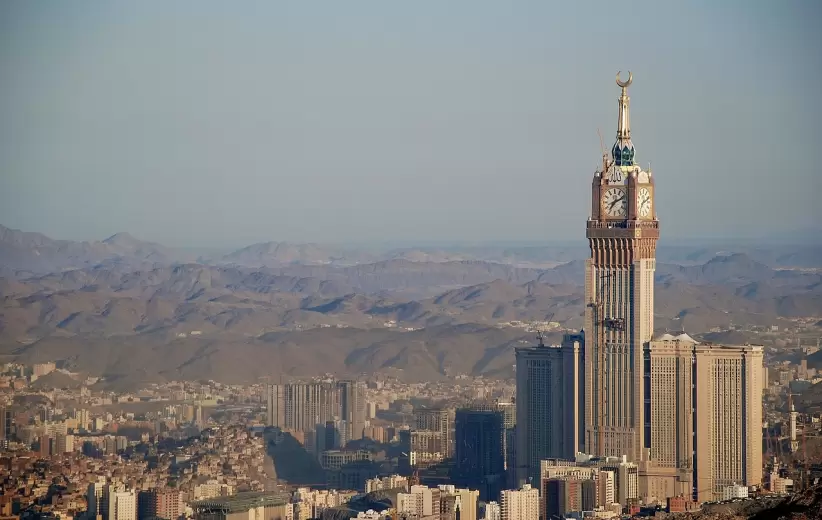
Mecca , in Saudi Arabia , is in sixth place. It receives 18.5 million visitors a year, more than the Vatican and Rio de Janeiro combined . It has seven religious sites and is the birthplace of Muhammad . Every year, millions of Muslims travel to the city to perform the Hajj , one of the pillars of Islam.
Kyoto’s first place probably won’t surprise many Japanese. The city was the capital of Japan for over a thousand years, beginning in 794 , when Emperor Kanmu ‘s court was established there .
«Many cultural customs and religious traditions were born here, and the historical events that occurred in this city impacted the entire country,» says Kyoto Travel, the official tourism agency, on its website. «The city is home to more than 1,000 shrines and temples, nearly 20% of Japan’s national treasures and 15% of its important cultural properties.»
Unlike most travel agencies, Kyoto Travel not only seeks to attract visitors, but also warns them about safety issues.
«Natural disasters have occurred in various areas of Japan,» warns the Kyoto Travel website . «In recent years, earthquakes have occurred more frequently and torrential rains have been reported more intensely due to global warming. Kyoto, which receives many tourists, is no exception. What should you do if a disaster strikes while you’re visiting? You can prepare by informing yourself before your trip about what to look out for and what to do during your stay,» it states.
The agency offers detailed safety information for those planning to travel to Kyoto and explains how to respond in the event of an earthquake, flood, or other disaster. Its website features several maps showing evacuation points where tourists should go if they are affected.
